

What Animals Did Lewis And Clark Find On Their Journey
"Meriwether Lewis contributed importantly to the development of American Zoology by making the commencement faunal studies in the newly acquired Louisiana Territory and by heeding Jefferson'south directive to discover 'the animals of the country generally, & peculiarly those non known in the U.S.'"
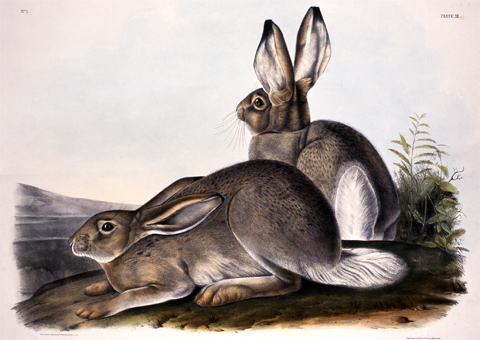
Lewis got his get-go close expect at that "big hare of America," when ane of the Corps' ace hunters, Private John Shields, bagged the commencement specimen more than 1,100 miles (by Clark's approximate) upward the Missouri River.
More...
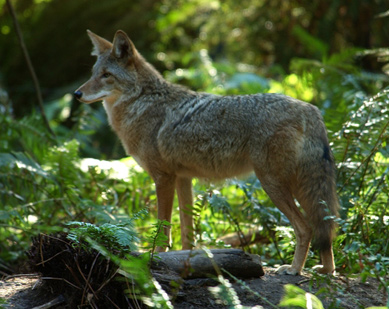
Clark shot "a Prarie Wollf, about the Size of a gray fox bushey tail head & ear like a wolf." Lewis wrote his clarification of what proved to be a new species on 5 May 1805, in northeastern Montana.
More...
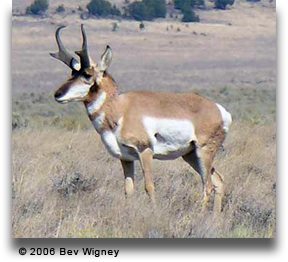
The men of the Corps of Discovery must have been electrified by their beginning sighting of the pronghorn antelope at the northeast corner of today'southward country of Nebraska. Naturalists were eager to find the answers to some bones questions about them.
More...
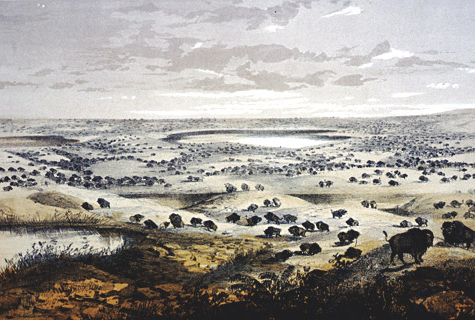
To some extent, the Corps of Discovery used buffalo much as the Indians did–for food, clothing, blankets, tents, saddle pads, and moccasins for both men and horses. With the coming of the American pioneers, the iconic animal'southward downfall was swift.
More than...
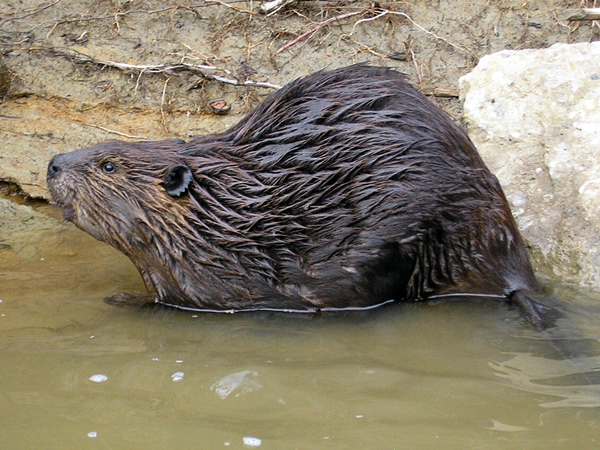
The 1804-1805 Lewis and Clark journals provide the first reliable biological documentations of beaver (Brush Canadensis) for the Missouri and Columbia River corridors between St. Louis and the Pacific Ocean.
More...
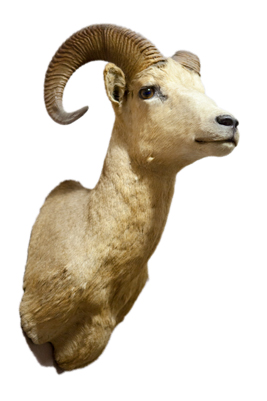
The 100-year-long effort past scientists to make up one's mind where the bighorn belonged in the Linnaean organization and to get the animal pictured correctly.
More...
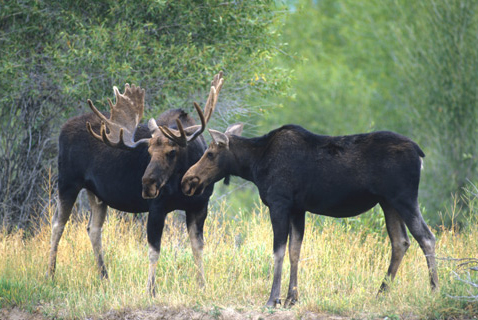
"Reubin Field wounded a moos deer this morning most our campsite," Lewis wrote on 7 July 1806, calculation, "my dog much worried."
More than...
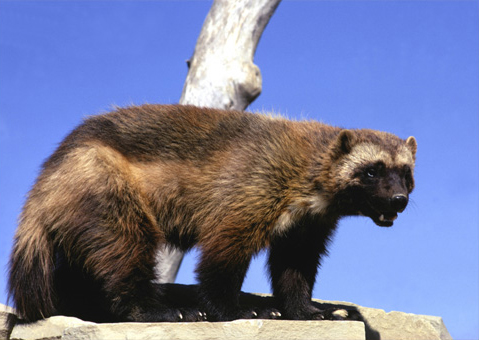
Lewis referred to it as a "tyger cat." Even Carl Linneaus, the father of modern taxonomy, couldn't decide whether the wolverine belonged to the weasel family or the dog family.
More...
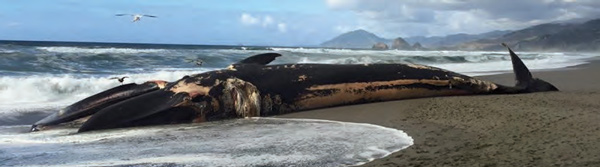
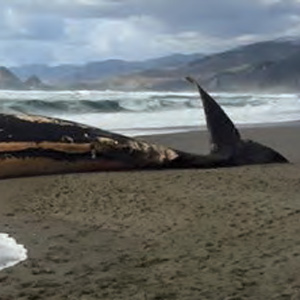
Private Whitehouse and Sergeant Gass recorded that passing Indians told of a whale done ashore south along today'due south Oregon coast. Several days later on, Clark set out with twelve men in two canoes to trade for equally much blubber as their small amount of merchandise would permit.
More...
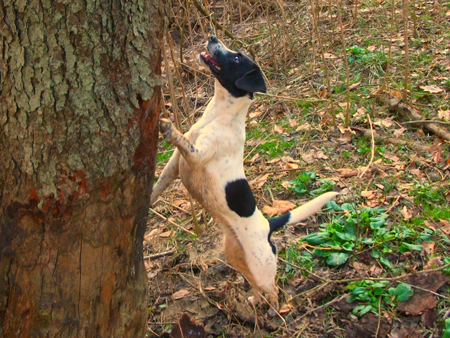
The Corps' journalists, in their accounts of new species of mammals they encountered on the expedition, would occasionally telephone call to mind comparable features of domestic canids whenever information technology was advisable—in terms of their sizes, morphology, and "notes" or barks.
More...
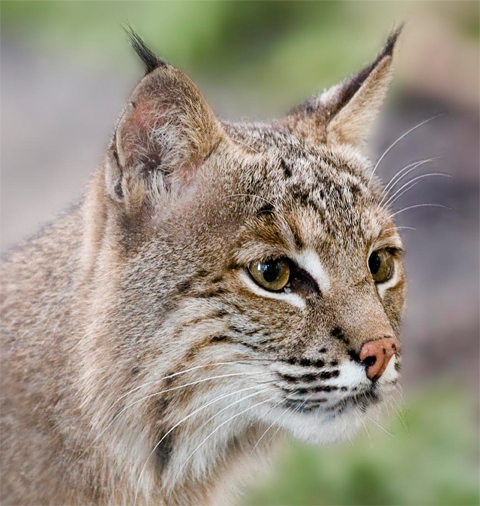
While amalgam Fort Clatsop, Clark recorded two significant transactions: "The Indians left usa to day after brackfast, haveing Sold us 2 of the robes of a Pocket-size brute for which I intend makeing a Capot."
More...
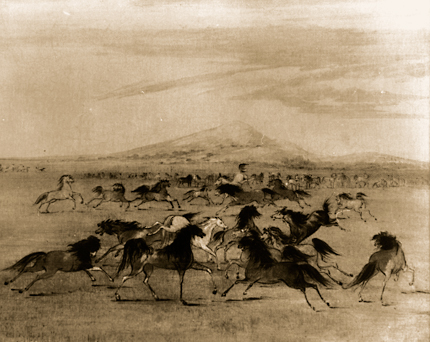
On 14 Baronial 1805, Meriwether Lewis commented on the Shoshones' herds: "Most of them are fine horses…. I saw several with Spanish brands on them, and some mules which they informed me that they had likewise obtained from the Spaniards."
More than...
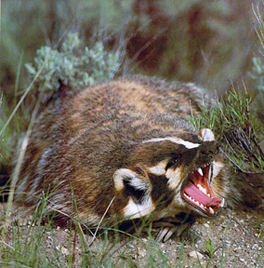
No doubt Lewis was preoccupied with the preservation process, for his entry was shorter. "It is a carniverous anamal . . . . information technology's eye are small blackness and piercing."
More...
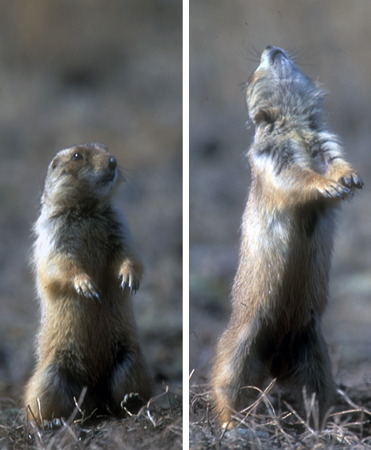
Few of their discoveries seized more interest, even controversy, from the American public. And certainly no others demanded more intendance than the six alive specimens—including ane prairie dog—that endured a four-month, four,000-mile cage-bound odyssey to Washington Metropolis.
More...
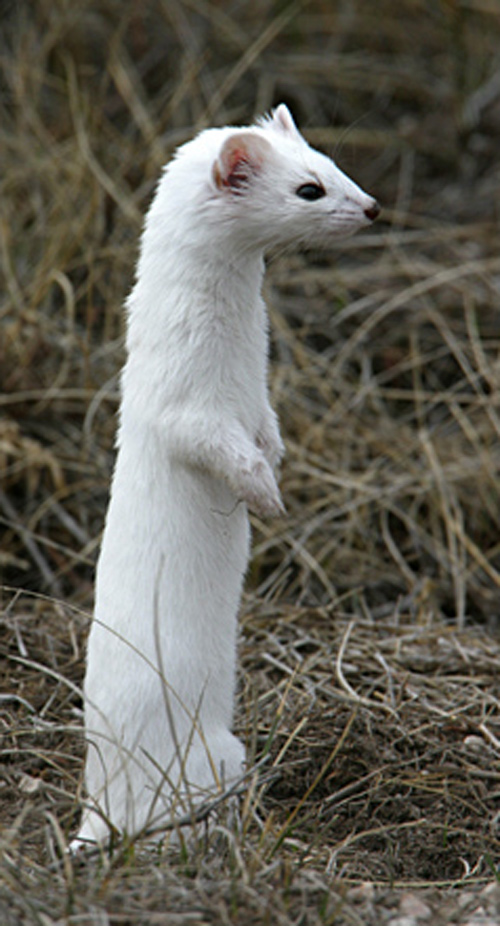
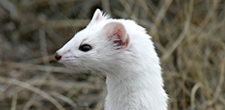
The captains saw their commencement white weasel at Fort Mandan on 9 Nov 1804. At Fort Clatsop on Christmas Day, 1805, Sacagawea gave Clark "2 Doz wesels tales."
More than...
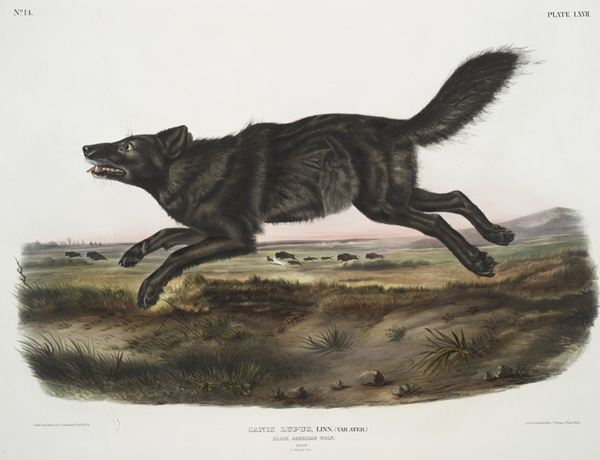
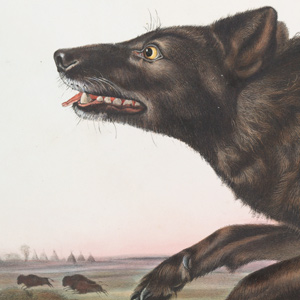
They didn't get credit for it, but Lewis and Clark were the first to describe these wily canine predators.
More...

This secretive, archaic little rodent, which somewhat resembles the woodchuck and the muskrat, belongs to the aforementioned mammalian order, Rodentia, as the beaver, Castor canadensis, merely otherwise they have nothing in common.
More...
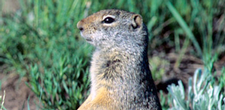
Labiche brought a specimen into Long Army camp on the Clearwater River and four days subsequently, Meriwether Lewis penned one of his longest and most meticulous descriptions of whatsoever small mammal.
More than...
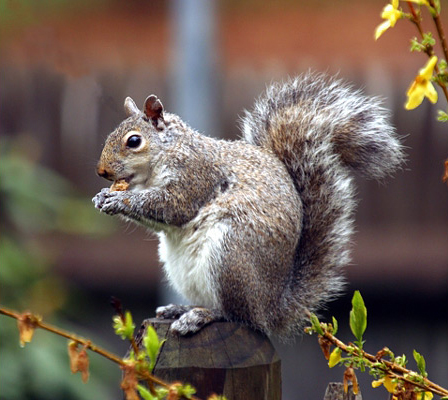
Lewis wrote a description of the eastern gray squirrel, the kickoff of his natural history observations, on 11 September 1803, twelve days after he left Pittsburgh on his voyage downward the Ohio.
More...
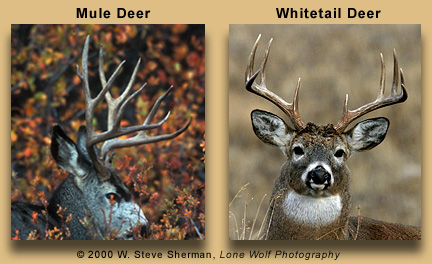
Drouillard spotted their first mule deer on five September 1804, on the cliffs upstream from the mouth of the Niobrara River in northeast Nebraska. Some other deer new to them was related, the Columbian black-tailed deer.
More...
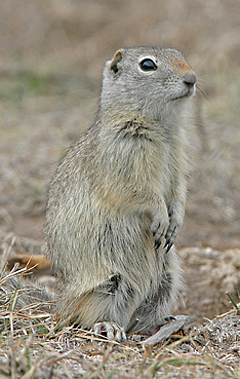
Lewis wrote his cursory account of the new species on 25 Feb 1806: "the pocket-sized grey squirrel common to every part of the rocky mount which is timbered, difirs from the dark chocolate-brown squirrel . . . just in its colour."
More...
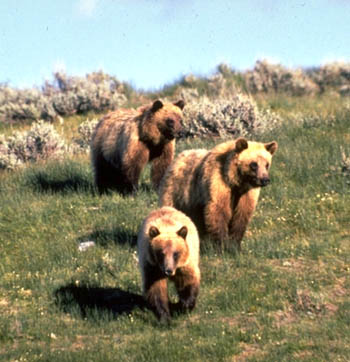
The anecdotes about their experiences with grizzly bears which the members of the Corps of Discovery brought dwelling house were gory enough to guarantee that they would be passed along. What are the legends? What are facts?
More than...
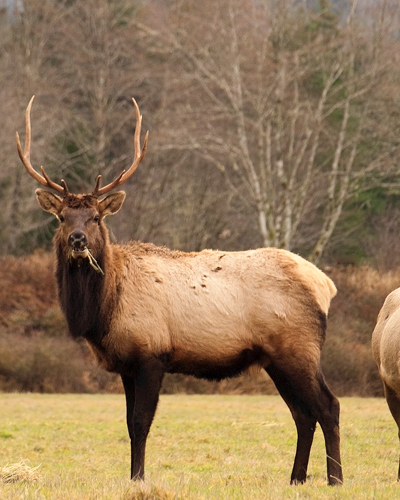
Fort Clatsop's location was called in office because, as some Clatsop Indians had advised the captains, at that place were more than elk on the due south side of the river than on the north. The Corps encountered their first elk in the western role of the present state of Missouri.
More than...
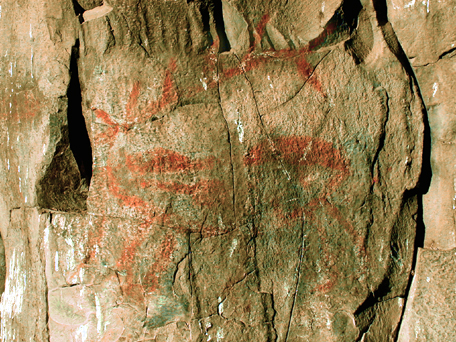
For today's traveler to Idaho'southward Bitterroot Mountains, seeing an elk is nonetheless a hazard. Simply hunters don't requite up; every fall, they pester locals with the aforementioned question, "Where'south the elk?"
More...
Observe More
- The Lewis and Clark Trek: 24-hour interval by Twenty-four hour period by Gary E. Moulton (University of Nebraska Press, 2018). The story in prose, fourteen May 1804–23 September 1806.
- The Lewis and Clark Journals: An American Epic of Discovery (abridged) by Gary Eastward. Moulton (University of Nebraska Press, 2003). Selected journal excerpts, 14 May 1804–23 September 1806.
- The Lewis and Clark Journals. by Gary E. Moulton (Academy of Nebraska Press, 1983–2001). The complete story in 13 volumes.
Source: https://lewis-clark.org/sciences/mammals/
Posted by: livingstoneful1977.blogspot.com
0 Response to "What Animals Did Lewis And Clark Find On Their Journey"
Post a Comment